ROSH HASHANAH
Teshuvah: Is There a Wrong Way to Repent?
Teshuvah (repentance), is an emotional and deeply personal process. Yet, Judaism has numerous laws for exactly how we’re supposed to repent, including a specific process of confession. How does this make sense? Can there really be a “right” and “wrong” way to repent?








Videos for the High Holidays
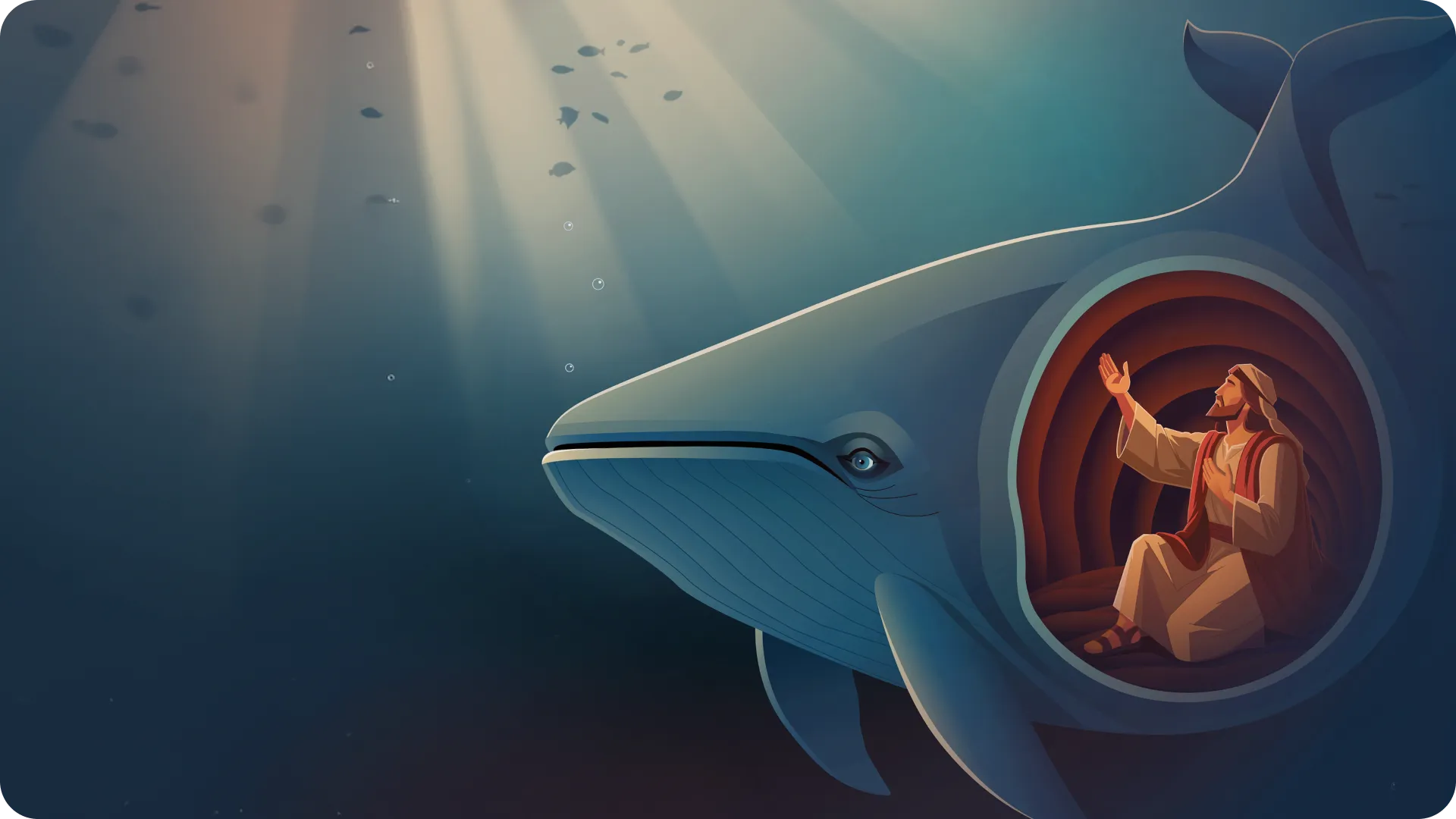
Just How Guilty Should I Feel? Part 1
Rabbi David Fohrman - 15 min video
The High Holidays should be a time of introspection, but it often feels like we're so overwhelmed by our own guilt, by the idea of coming to terms with ourselves, that we don't know where to start.In this course, Rabbi Fohrman takes a deeper look at what are the 13 Attributes of Mercy and uncovers a path to finding true forgiveness during Rosh Hashanah and Yom Kippur.Discover other great videos for the High Holidays at Aleph Beta, including ‘Unetaneh Tokef Interpretation & Meaning”, “What Is The Meaning and Purpose of Yom Kippur” and If Jonah Never Really Repented, Why Do We Read His Story On Yom Kippur?

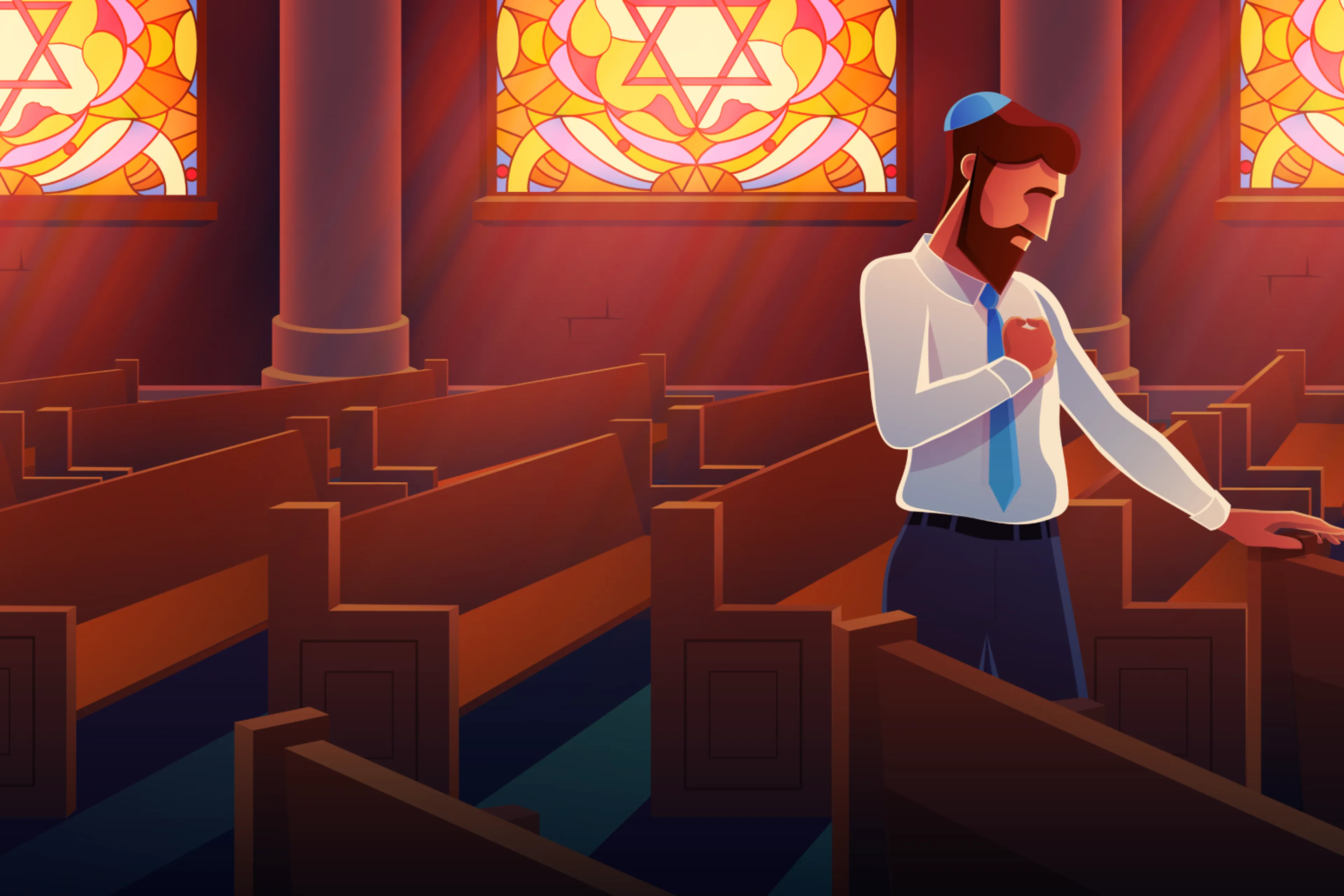
Spiritual Preparation For Rosh Hashanah
Immanuel Shalev - 10 episodes - 109 min video
A Guide For Rosh HashanahWith just 5 minutes a day, you'll be ready to show up on Rosh Hashanah feeling prepared. We’ll talk about prayer, how to understand davening, why we blow the shofar, how to leave behind all the guilt of Rosh Hashanah, and why this holiday is absolutely worth celebrating.
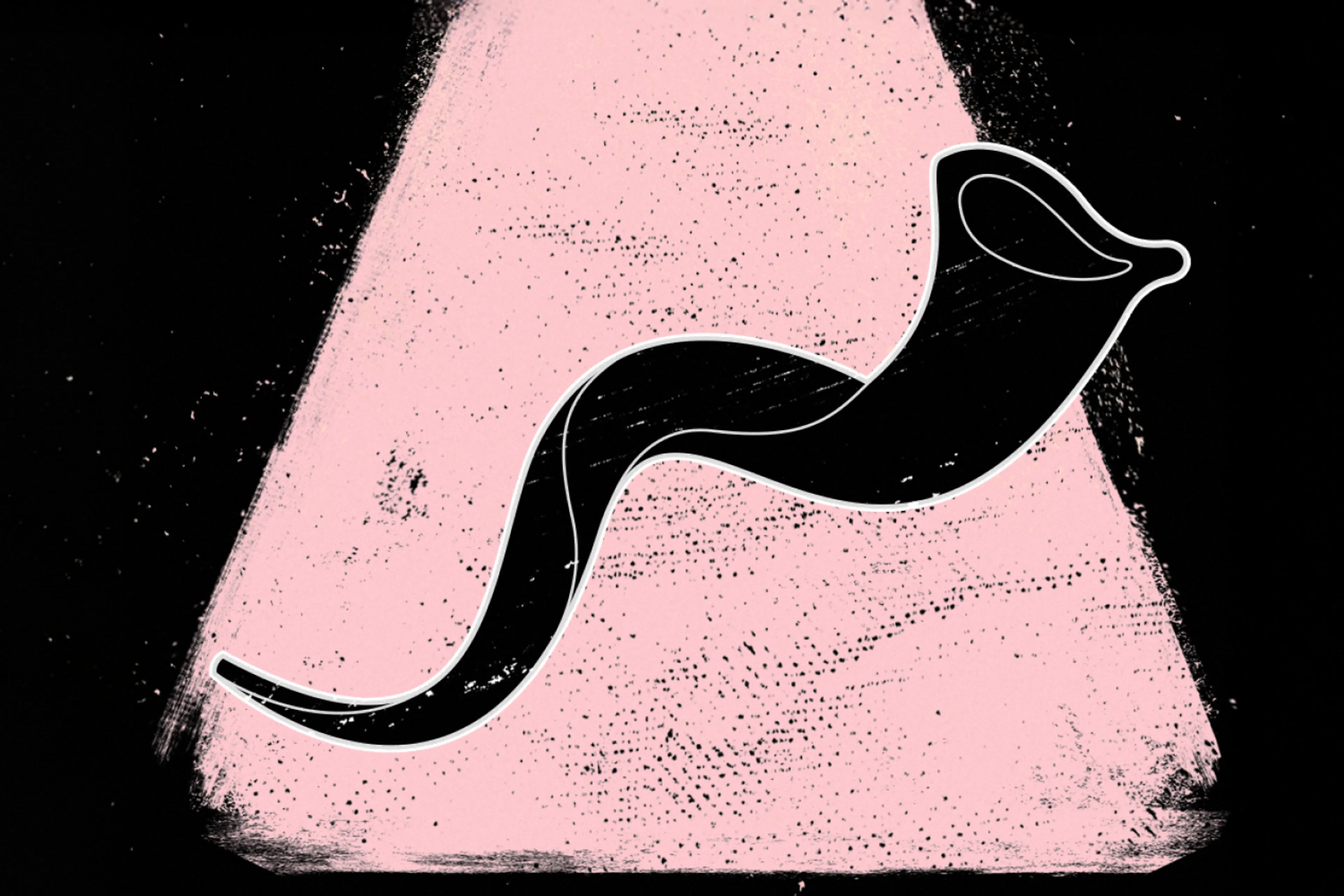
Yamim Noraim: Meaning & Significance
Rabbi David Fohrman - 78 min video
In this lecture, Rabbi Fohrman discusses the Days of Awe (“Yamim Noraim”), days during which many of us associate with guilt and fear. But is “awe” the same thing as “fear”? Can we give ourselves permission to break free of the painful emotions that often accompany these days, and experience this inspiring time of year in a brand new, uplifting way?Discover other great videos for the High Holidays at Aleph Beta, including “Understanding Unetaneh Tokef”, “How To Get Closer To God” and The 13 Attributes of God.”
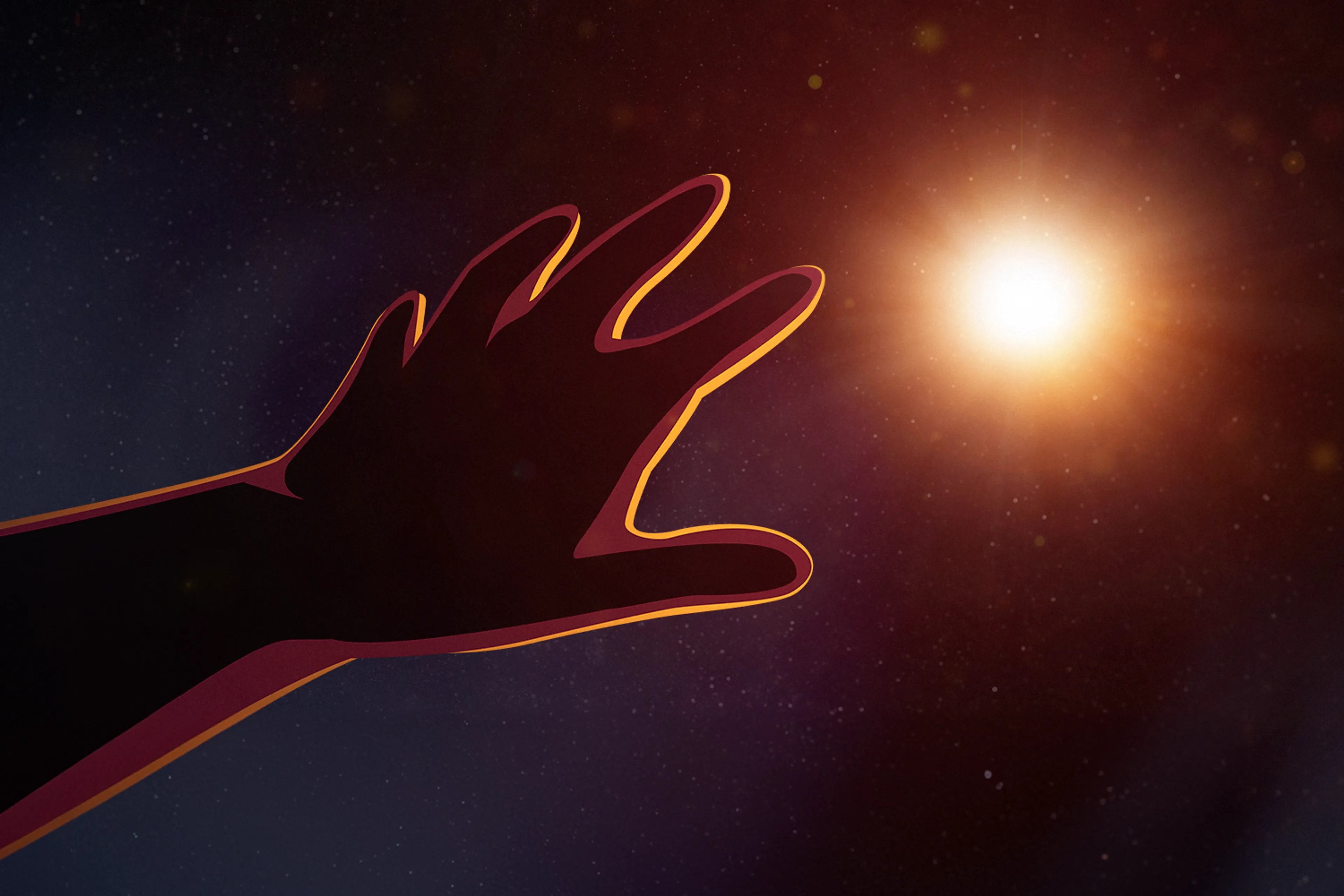
What If You Could Hear God’s Voice?
Rabbi David Fohrman - 92 min video
The High Holiday season is a time of introspection. But let’s get real: The prospect of taking an honest look at our past deeds over the course of a year – it can feel every bit as appealing as a trip to the dentist. And that makes this a hard time of year. Indeed, for most of us, “guilt” is one of our least favorite emotions; we reflexively avoid it at almost any cost. How, then, are we to welcome a time of year that causes us so much angst?In this talk, Rabbi Fohrman finds answers to these questions as he leads us on an epic journey from the high holidays, to the search for chametz, to the life of Yehudah, scion of the Davidic dynasty. He suggests, through an analysis of these sources, that how we manage guilt depends entirely on how we choose to relate to our inner sense of conscience, the place from which regret springs. Through a careful analysis of Biblical and rabbinic texts, he argues that “the little voice inside us” that we associate with our conscience is a part of ourselves we need to make friends with. If we shun it, we weaken ourselves; if we embrace it, we will find it loves us back. In the end, he argues, regret – when embraced – is a powerful engine not just to change ourselves, but to win friends, influence people, and make positive change in the outside world.

The Tree Of Life Vs The Tree Of Knowledge
Rabbi David Fohrman - 8 episodes - 514 min video
Knowing Good and EvilWhat does it mean for us to recognize God as our King, Master of the universe? In this series, Rabbi Fohrman examines the early chapters of Genesis to discover just what God's mastery is all about – and what it really means to recognize it.Discover other great Rosh Hashanah videos at Aleph Beta, including ‘How To Prepare For Rosh Hashana”, “How To Do Teshuva”. and “Akeidah: The Story Of Abraham & Isaac”

Why Did God Ask Abraham To Sacrifice His Son?
Rabbi David Fohrman - 7 episodes - 370 min video
On Rosh Hashanah, we read about the Akeidah, when Abraham was asked to offer Isaac up as a sacrifice. But how are we supposed to make sense of this story that seems to pit obedience to God against our most basic sense of morality?
printable reader
Print this High Holiday Reader
Have this High Holiday Reader in hand when the High Holidays begin. Essays, meditations, kids’ activities, and powerful reflections on prayer, teshuva, and getting closer to God.